We are a Catholic women’s religious congregation founded in 1881 in Ciempozuelos (Madrid, Spain).
Our mission is to provide medical, rehabilitative and social care, as well as education, to people in vulnerable situations, with a particular dedication to mental health, intellectual disability, psychogeriatrics, acquired brain injury and palliative care.
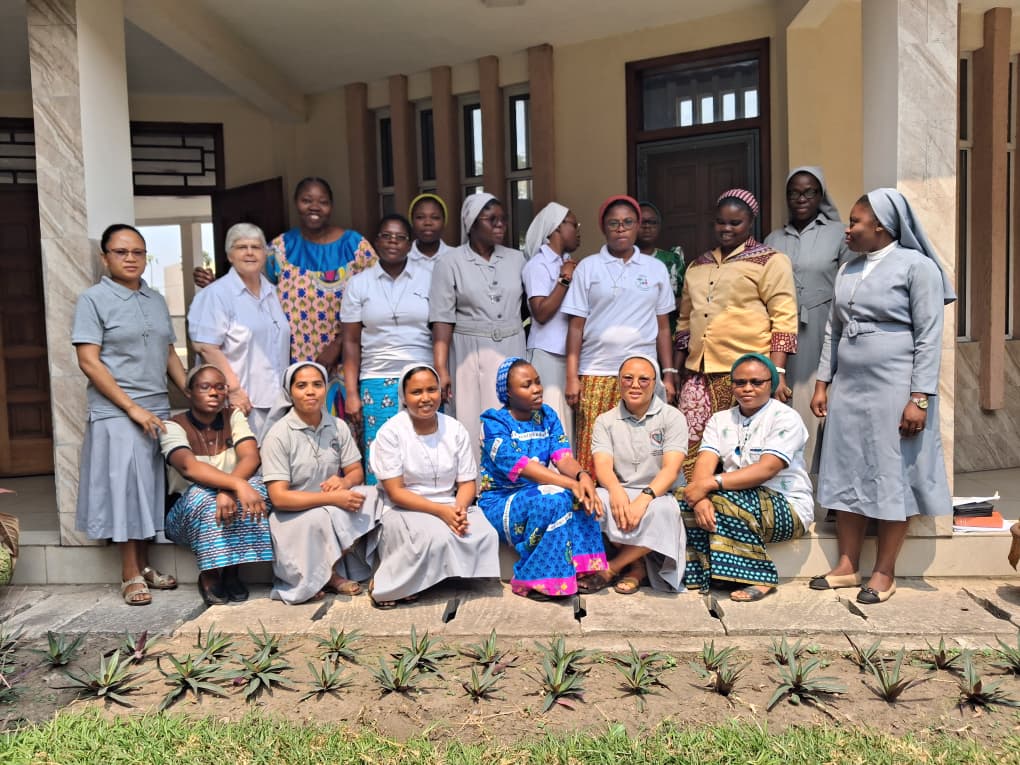
Guided by our core value of Hospitality, we bring together scientific excellence and profound human warmth (the union of science and charity). Today we are an international community present in 25 countries, with more than 85 care centres, where sisters, professionals, lay people and volunteers work side by side, always placing the person at the centre.
Hospitality is the essential human value and the heart of our identity: offering space and time, attention and care, humanity and resources to the most vulnerable. This fundamental value unfolds into eight Hospitaller values:
The Congregation was founded on 31 May 1881 in Ciempozuelos (Madrid) by the Italian priest St Benedict Menni, of the Hospitaller Order of St John of God, together with María Josefa Recio and María Angustias Giménez, both from Granada.
It was born to offer a dignified response to the extreme neglect and exclusion suffered by women living with mental illness at the time, who could not be cared for in the existing hospitals for men. With an initial group of ten young women, the founders began a pioneering work that united science and charity to offer what has been called “the feminine face of hospitality”. In 1901, the Congregation received definitive approval from the Holy See.
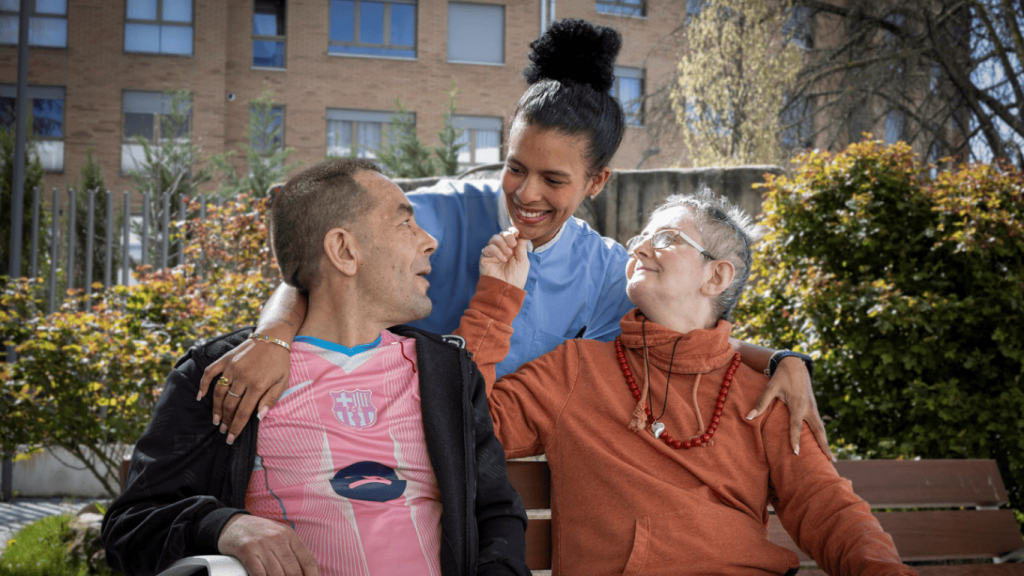
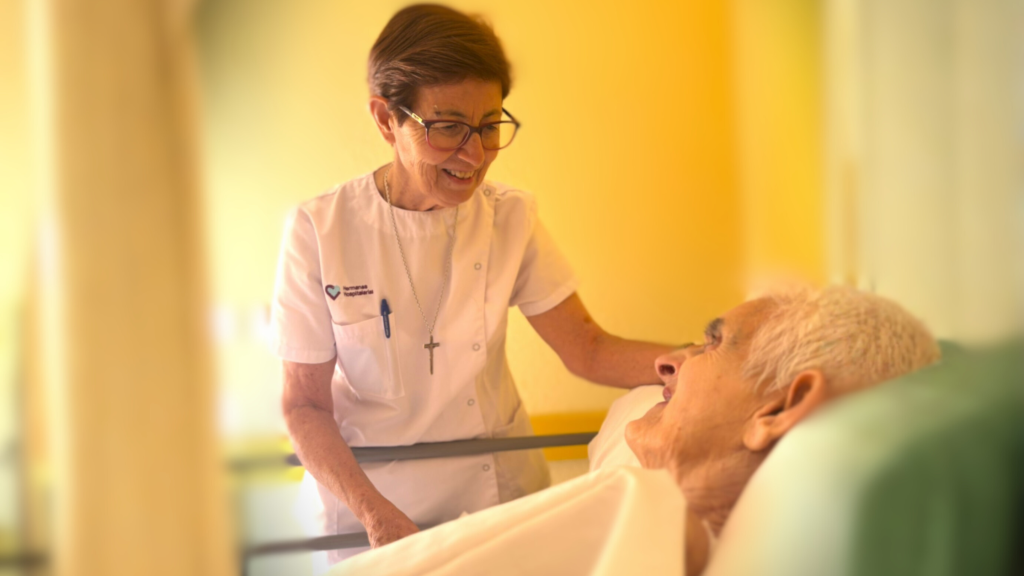
We primarily accompany people living with mental health conditions, intellectual disability, brain injury and other health and social care needs. We also care for older people, patients requiring palliative care, and people in situations of vulnerability or social exclusion.
Our accompaniment extends to their families and communities, offering comprehensive, close and personalised care at every stage of life.
The Sisters Hospitallers are an international community present in 25 countries across Africa, Asia, Latin America and Europe. We run more than 85 health and social care centres, caring for close to 820,000 people each year. This work is made possible by the human and professional dedication of around 800 sisters, more than 15,500 partners and many volunteers.
The Sisters Hospitallers are an international congregation present in 25 countries across Africa, Latin America, Asia and Europe, with a network of more than 85 health and social care centres. The General Government is based in Rome (Italy).
You can find the location, services and contact details of each centre on our Where We Are map. Each centre manages its own appointments and care information directly.
These two entities are part of the same network and share the same identity and values, while specialising in different areas of the mission:
We offer a specialised model of care for people in vulnerable situations, across the following main areas:
The admissions process depends on the type of place and the route of access. Publicly funded or commissioned places are arranged through the relevant public health or social services authority. For privately funded places, you should contact the centre directly to request an initial assessment.
Use our map of centres to find the one nearest to you.
The cost depends on the type of place and on the centre. Publicly funded or commissioned places are governed by the conditions set by the relevant public authority, while private places have their own fee scales. There are also social action places for people in situations of vulnerability.
Alongside healthcare, the Sisters Hospitallers run psychosocial rehabilitation, community care, education, training and social and employment inclusion programmes. We also support day centres, supported housing and assisted living homes that foster the independence and social participation of people living with mental health conditions, intellectual disability or vulnerability.
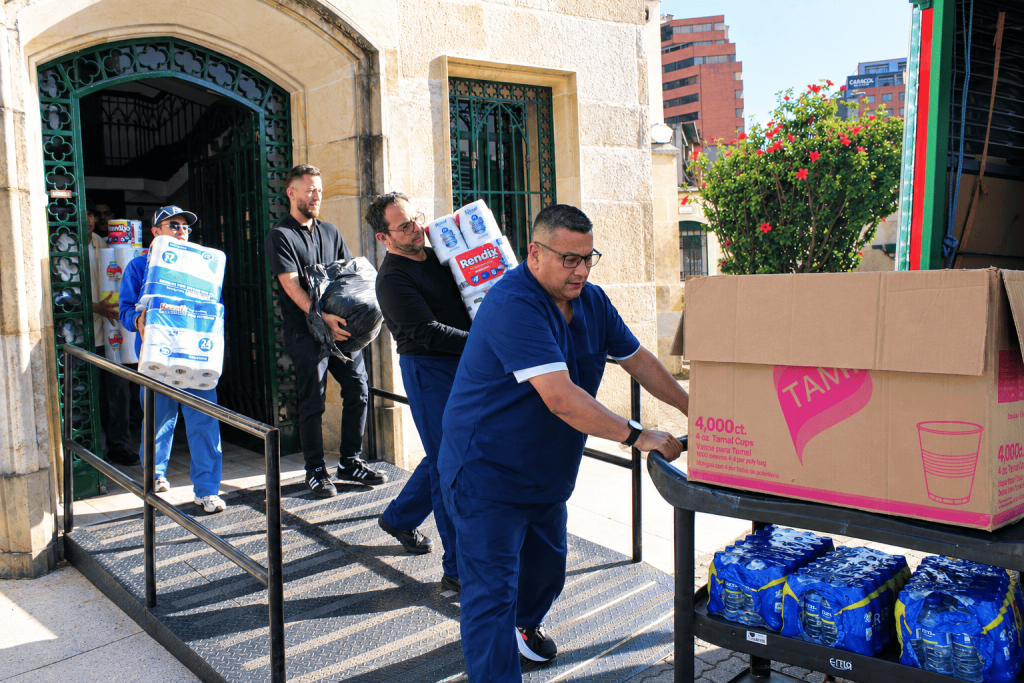
Through the Benedict Menni Foundation, we also promote development cooperation, community empowerment and humanitarian aid projects in a range of countries. Programmes are adapted to the needs of each community, so that every person can build their own life project with dignity and the greatest possible independence.
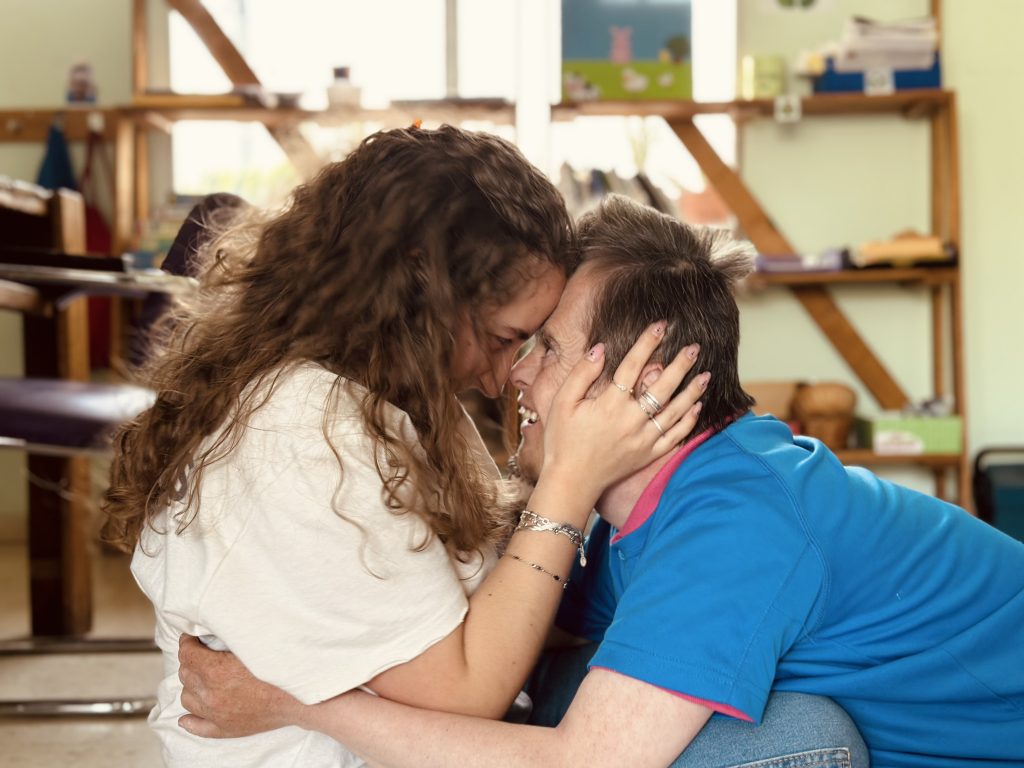
We offer comprehensive, personalised care designed to develop each person’s abilities, independence and quality of life to the fullest. To this end, we run rehabilitation, education, training, occupational and employment programmes, residential support and social inclusion initiatives.
We work alongside families and professional teams to provide the support needed at each stage of life, always with respect, closeness and recognition of each person’s dignity. We also promote cooperation and inclusion projects for people with disabilities in particularly vulnerable settings.
We offer a comprehensive, person-centred model of care that combines professional and scientific quality with close, humanised support. We attend to each person’s physical, psychological, social and spiritual needs, always respecting their dignity, their rights and their life story.
Our accompaniment adapts to each situation and seeks to support recovery, independence, social inclusion and quality of life. To achieve this, we work in coordination with families, professional teams, the Sisters and our volunteers, giving priority to those in the most vulnerable situations.
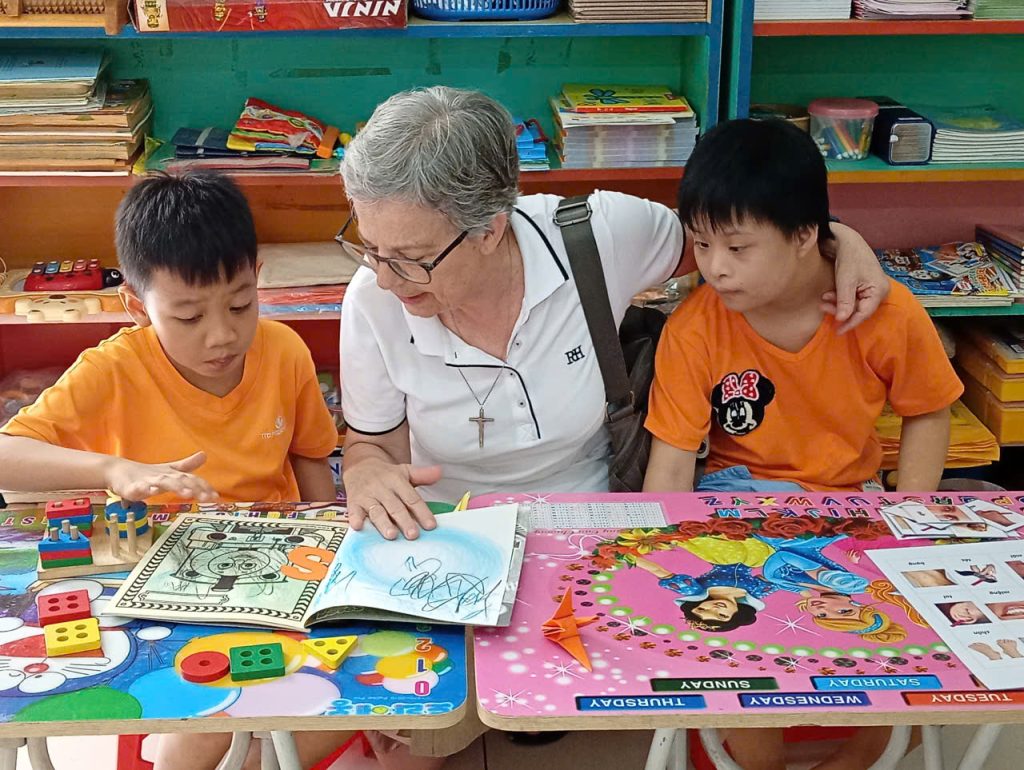
Education forms part of the mission of the Sisters Hospitallers. The Congregation promotes and runs schools, educational centres and special education programmes adapted to the needs of students and their families, with particular attention to people with intellectual disabilities or who require specific support.
We also run occupational and vocational training programmes that foster independence and social inclusion. In addition, we support the continuing professional development of our staff and partners in technical, scientific, human, relational and ethical areas, to guarantee quality care grounded in the Hospitaller values.
The Hospitaller Community is the web of relationships between everyone involved in our work, forming a true “Hospitaller family”. It is made up of:
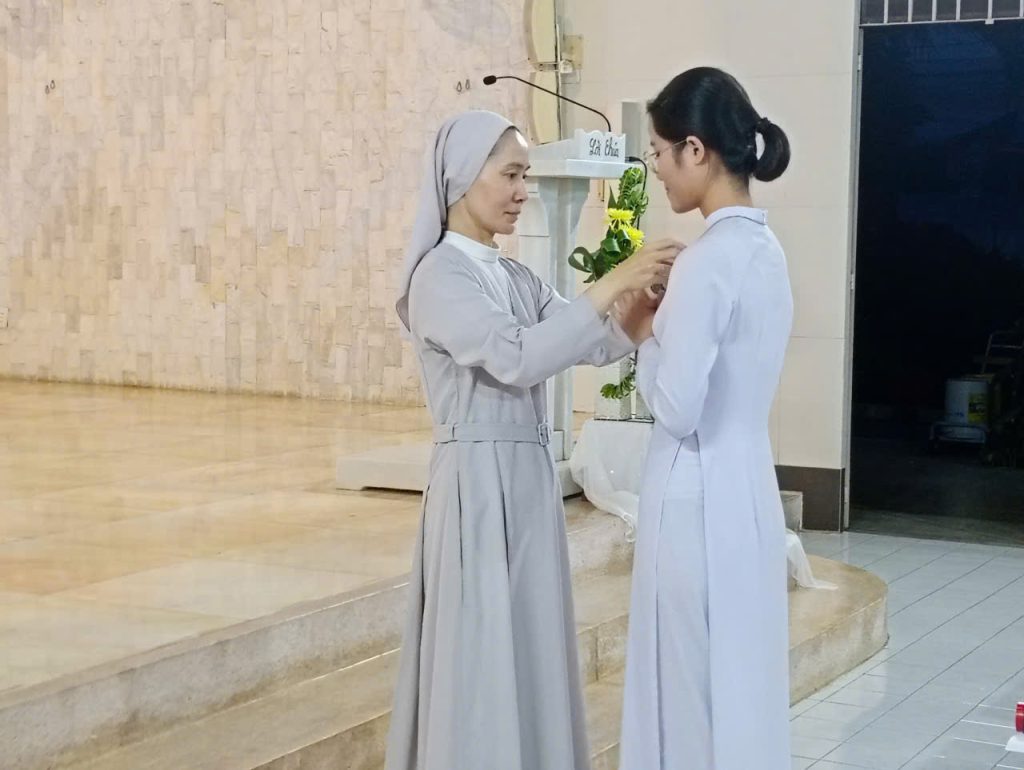
The path to consecrated life as a Sister Hospitaller is a gradual journey of discernment, personal maturation and theological, charismatic and professional formation. If you feel called to give your life in the service of Jesus in the most vulnerable, the process involves the following stages of formation:
If you would like to read more testimonies from our sisters or begin a process of discernment, you can get in touch with us at How Can I Become a Sister Hospitaller?
Those wishing to join our teams can apply and browse current vacancies through our official careers portal. There are several ways to take an active part in our mission:
The best way to reach us depends on your enquiry:
You can also learn how the Congregation is structured and find our provinces and delegations in the Organization section.