Mental health affects people of all ages, genders and backgrounds, making it one of the great challenges of our time. According to the World Health Organization (WHO), 450 million people worldwide live with a mental disorder that impacts their daily lives, and it is estimated that 1 in 4 people will experience it at some point in their lives. These figures reveal the magnitude of the problem, and yet talking about mental health remains a topic shrouded in taboo.
Breaking the Silence: The Importance of Open Conversation
Despite the prevalence of mental disorders, many people are still hesitant to talk openly about their experiences or seek professional support. Shame, stigma and fear of judgment are barriers that prevent millions of people from getting the help they need.
Talking openly about mental health not only enables those in need to seek help, but also educates society about the importance of emotional well-being. Mental health is as vital as physical health, and its impact on our lives is profound.
The Future of Mental Health: A Growing Challenge
According to WHO projections, mental health problems are expected to be the leading cause of disability worldwide by 2030. This fact underscores the urgency of addressing mental health with the seriousness it deserves. In fact, mental disorders account for 12.5% of all health problems globally, surpassing diseases such as cancer and cardiovascular problems.
These data are alarming, but they also show us that we cannot stand idly by.
The hospitaller path
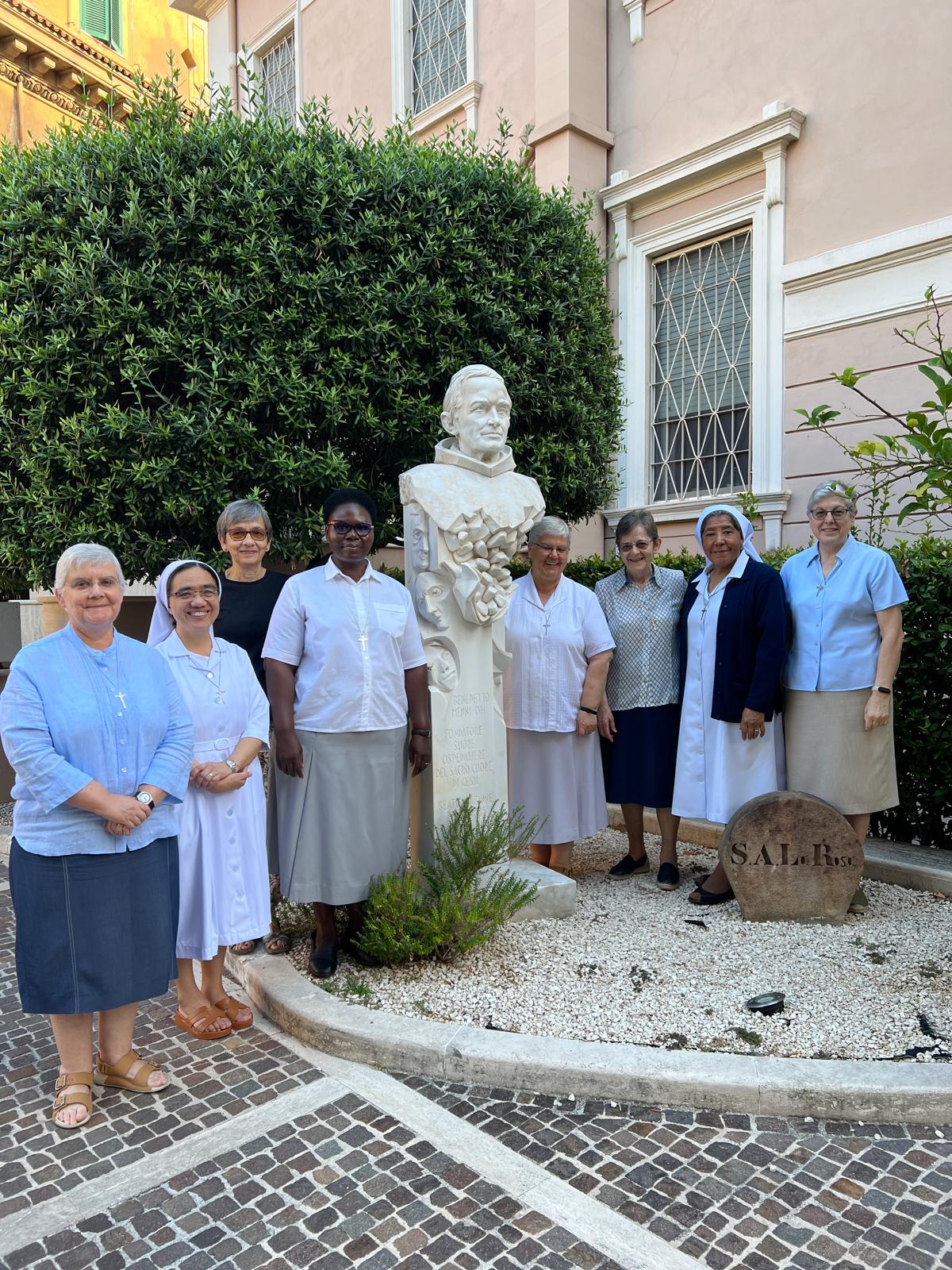
In this context, we at Sisters Hospitallers renew our commitment to the growing need for mental health care, inspired by the legacy of our founders, St. Benedict Menni, María Josefa Recio and María Angustias Giménez.
Following their principles of hospitality and service to the most vulnerable, our congregation seeks to provide comprehensive and compassionate care to those suffering from mental disorders. Especially in our centers, we want them to be a welcoming, caring space that renews the dignity of our brothers and sisters, demonstrating that mental health should be a priority, not only in the health agenda, but also in our daily lives.
On a day-to-day basis, each of us can make a difference:
- Speaking openly about mental health and being a support to those around us.
- Informing and educating ourselves about different mental disorders and how they affect people.
- Promoting access to mental health services in our communities and demanding that mental health be a priority on political agendas.
- Breaking the stigma and putting mental health at the center of our lives will not only improve the well-being of those already living with mental disorders, but will also help us build a more compassionate and aware society.
This Mental Health Month, may we seek to commit ourselves to being agents of change, offering a welcoming and caring space for all those who face challenges to their mental wellbeing. Mental health is a right and a priority that we must defend together.