Sister Angela Gutiérrez, Sister Hospitaller, tell us what has meant for her to have been proposed by the El Pájaro Azul Foundation for the Princess of Asturias award for concord 2020.
What does it mean to you to have been nominated for this important award?
I wonder who I am for this award, but seeing the work that needs to be done would be a great help to get many people off the street.
I am a humble person who came to the Democratic Republic of the Congo (DRC) with a mission (“help the mentally ill”). Seeing so much need, not being able to do a little more is a thorn in my heart.
When did your hospital mission in Kinshasa start?
I arrived in Kinshasa in 1989 and other religious immediately helped me to get closer and to make contact with the mission that we had been entrusted with.
What did the creation of the “Telema” Mental Health Center meant for the country?
The Telema Center has been the salvation for this town. They needed this help, welcome and accompaniment. Today the Telema center is the benchmark for the DRC and the surrounding countries nearby.
How many people does the center serve? How many professionals, volunteers and sisters do you currently have?
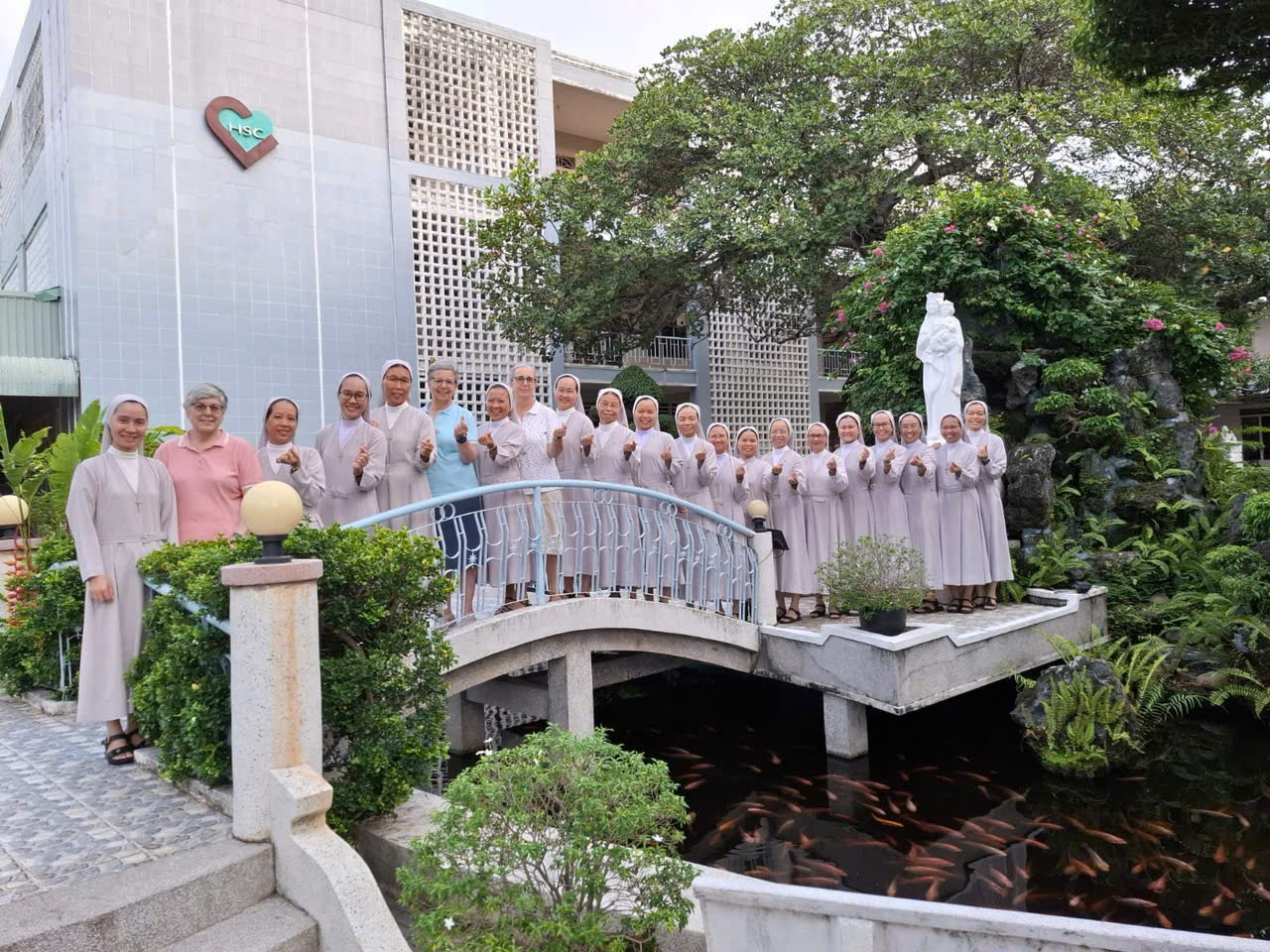
23 professionals and 10 sisters work at the Telema center.
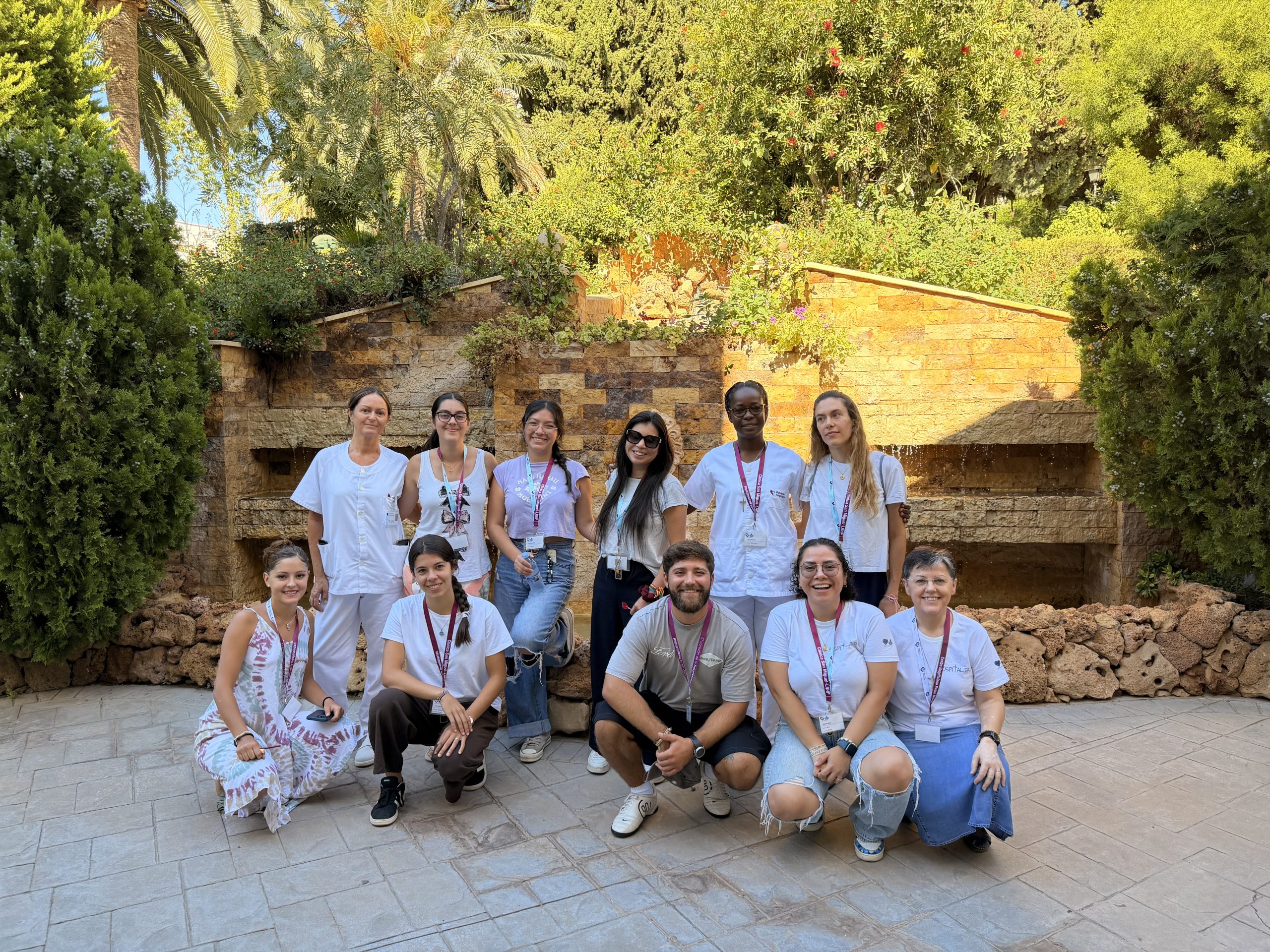
As for the volunteers, we have created a group that we call Hospital Family. These are all volunteers and of all ages, parents, youth, and students.
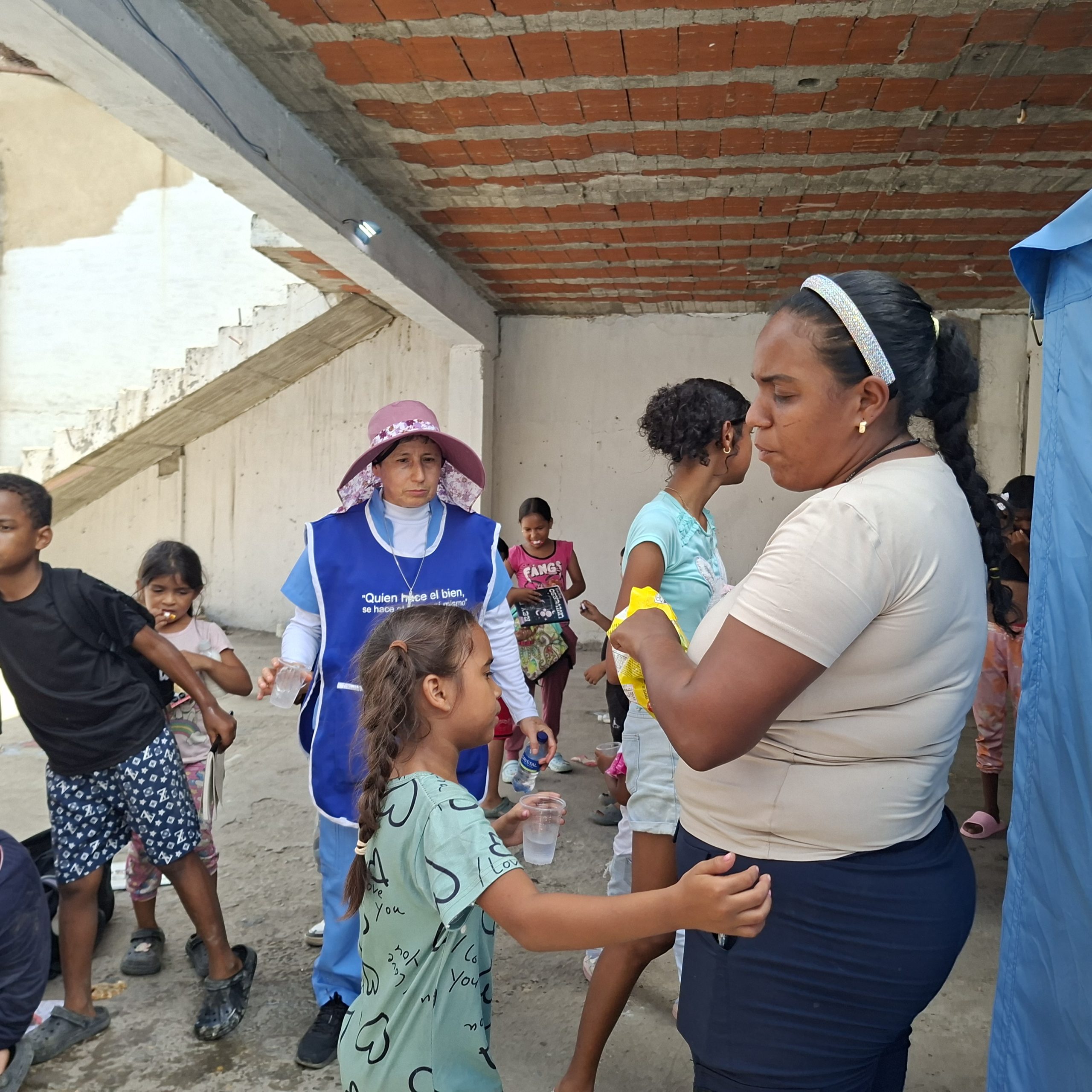
We currently have 4 beds in our community serving mothers and babies who would otherwise live abandoned on the streets. With the authorization of the authorities of the Commune (District), we have 3 months for that person to “recover” his health and look for his family.
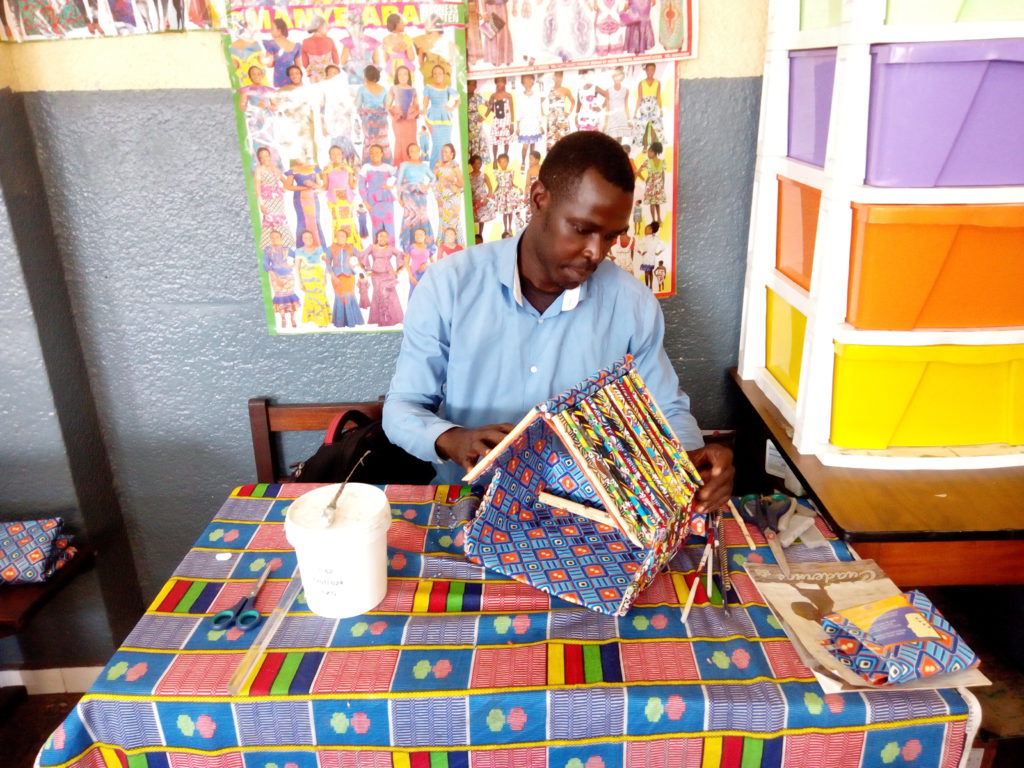
We have created a free occupational workshop for the sick with space for 40 people where they can, for example, learn to sew. The tasks they perform allow them to learn, feel useful, and earn some money for themselves.
Sister Angela, What have been the main milestones in the evolution of the center?
For me the greatest achievement has been to get the population to understand that mental illness is a disease like many others and not the result of evil spirits.
What are the main lines of activity of the center, and what are the main pathologies of the people they serve?
The center provides outpatient consultation services, specialized pharmacy, psychology, patient monitoring, school awareness and a radio. The diseases we treat are all in the field of psychiatry (schizophrenia, epilepsy and its circumstances, depression, behavioral problems, all kinds of psychosis).
What stages do patients go through from entering the center until they recover?
When they arrive at the center they have passed through many hands and arrive very agitated and aggressive. Families bring them when their condition is serious and the first thing we do is calm the sick. Then they go to the consultation and receive treatment. Families are encouraged to respect the treatment and the date of the new appointment for follow-up, until the patient recovers health.
What activities would you highlight in the recovery process for the sick?
I think the role of the occupational center is very important, with which we make them feel useful; This makes it easier to re-integrate them into society. There are other means that we need to obtain better results in the recovery of the sick, for example:
-A laboratory
-A machine to make electroencephalograms
-A day hospital to welcome the sick on the street and so they can be accompanied, wash, eat …
And finally, the last question for Sr. Angela Gutiérrez. If you were finally awarded, to whom would you dedicate it?
I would dedicate it to the sick and use it to cover all the needs we have: the laboratory, the reception center or day hospital, the expansion of occupational workshops (for example, with a cooking workshop) …