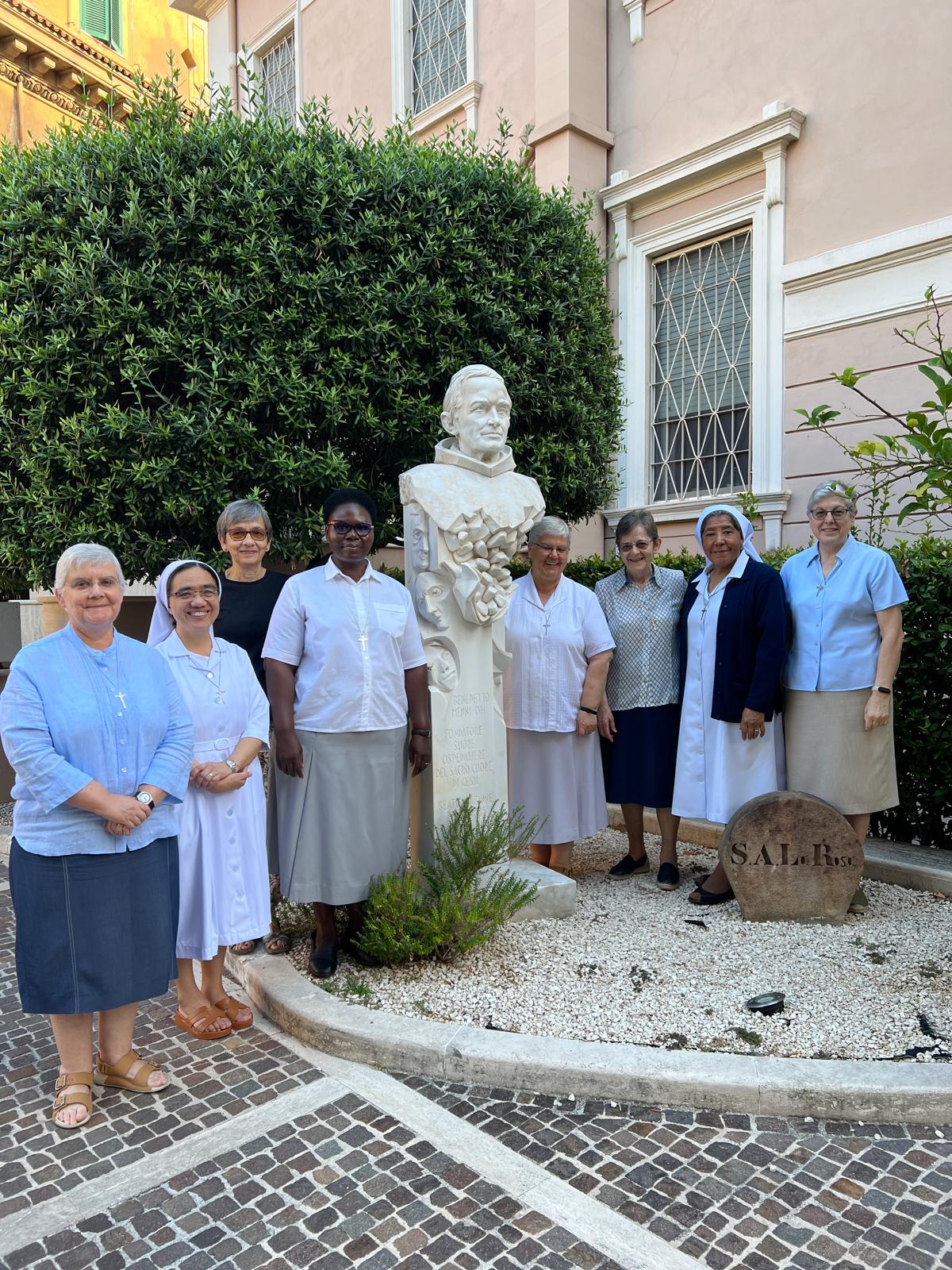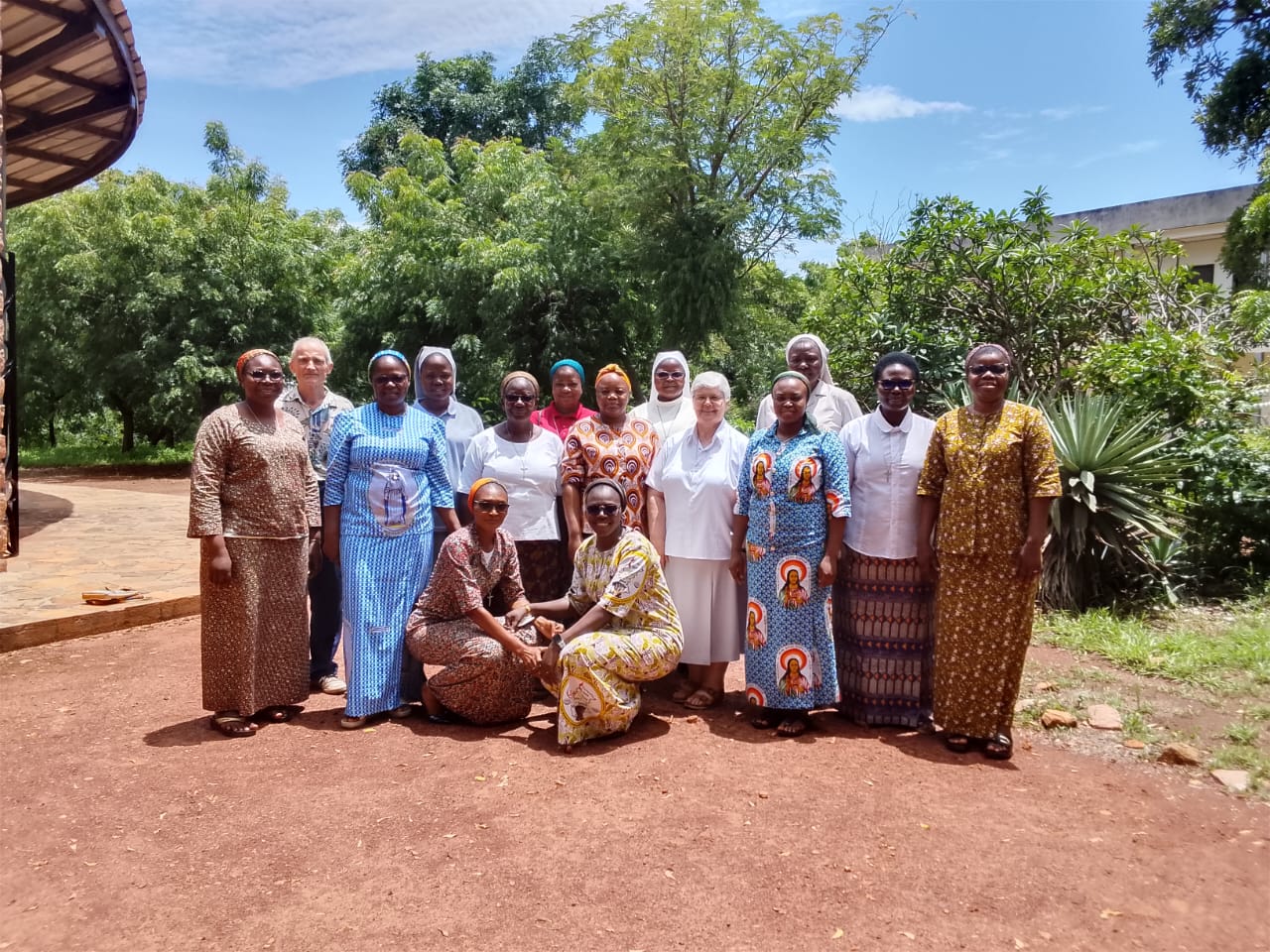
Dr Elena Oña, a member of the Pastoral Care team at the Sisters Hospitallers’ Nuestra Señora de Guadalupe clinic in Ecuador, explains how we can show our humanity through healthcare.

In 1998, the World Health Organization (WHO) incorporated spiritual health: ‘Health is a dynamic state of complete physical, mental, spiritual and social well being and not merely the absence of disease or infirmity’ (Javier et al., n.d., p. 30). Though pastoral care is said to have existed for hundreds of years, only in 1985 did Pope John Paul II institute the Pontifical Council for the Pastoral Care of Healthcare Workers with the aim of promoting care for the sick through local churches.
Looking at healthcare professionals, it is clear in some cases that a need exists to include basic concepts in their training to outfit them with the skills necessary to provide pastoral services and respect the fundamental values of the person suffering. Individual actions are not enough; it is necessary to design and offer teams training programmes in spiritual care to raise awareness among care professionals (Javier et al., n.d.).
Pastoral care aims to be part of the communal effort that facilitates each person’s encounter with Jesus and that shapes our actions with humanity, toward our neighbour, represented by all of those close to us: our patients, relatives, colleagues, etc. (Marinelli, 2003).
The goals of pastoral care
Though the goals of pastoral care are adapted to each person, some include:
The culture of life: from a health perspective, all research, interventions, and procedures must be conducted with respect for human dignity.
The culture of health: from the cradle to the grave, it aims to develop an educational approach to health and morality with a comprehensive view of the human being.
Humanisation: a factor in all interpersonal relationships between users and care professionals, guaranteed through an adequate organisational structure and distribution of resources.
By loving one’s neighbour as oneself, Jesus invites us to provide moral and spiritual support to the sick though service as an entity of health, assisting in the acceptance and appreciation of the suffering state through the instrument of prayer. ‘Providing service to those who suffer is the basis by which one becomes the protagonist of therapeutic and pastoral decisions (the sick as the subject of pastoral care)’ (Marinelli, 2003, page 2).
‘Dehumanisation occurs when man does not recognise himself as a moral subject, a condition that forces him to seek the wellbeing of the vulnerable person and be responsible for his actions’ (María et al., 2020, page 1).
Terms like comprehensive care, humanisation, dehumanisation, human dignity, rights, and others exist in the healthcare field; we also find them in the provision of health services and cited by users in satisfaction surveys. This information makes us wonder about the professionals at Nuestra Señora de Guadalupe clinic, a centre of the Sisters Hospitallers of the Sacred Heart of Jesus, which provides palliative care, mental health services, and has a Pastoral team. Are the professionals aware? Do they understand pastoral care? Do they connect the terms health and pastoral?
Key words: health, pastoral, training, humanity
This assessment gives us a clearer insight, wherein healthcare professionals, regardless of our role, must embrace the spirituality that allows us to know ourselves and to live a life of service to others, with humanity, generating satisfaction from the organisation’s raison d’etre, which is the patient, and being part of a good work environment. Spirituality gives our lives meaning, purpose; it connects us and helps us empathise with other human beings. Moreover, it determines that our ‘relationship to health is not only linked to religiosity, since it refers to a number of aspects that contribute to the healing of people’ (Sangadah, 2020).
Our Founder, St. Benedict Menni, always unequivocal about the quality of care, left us with these words, ‘In caring for patients, charity and science complement each other’.