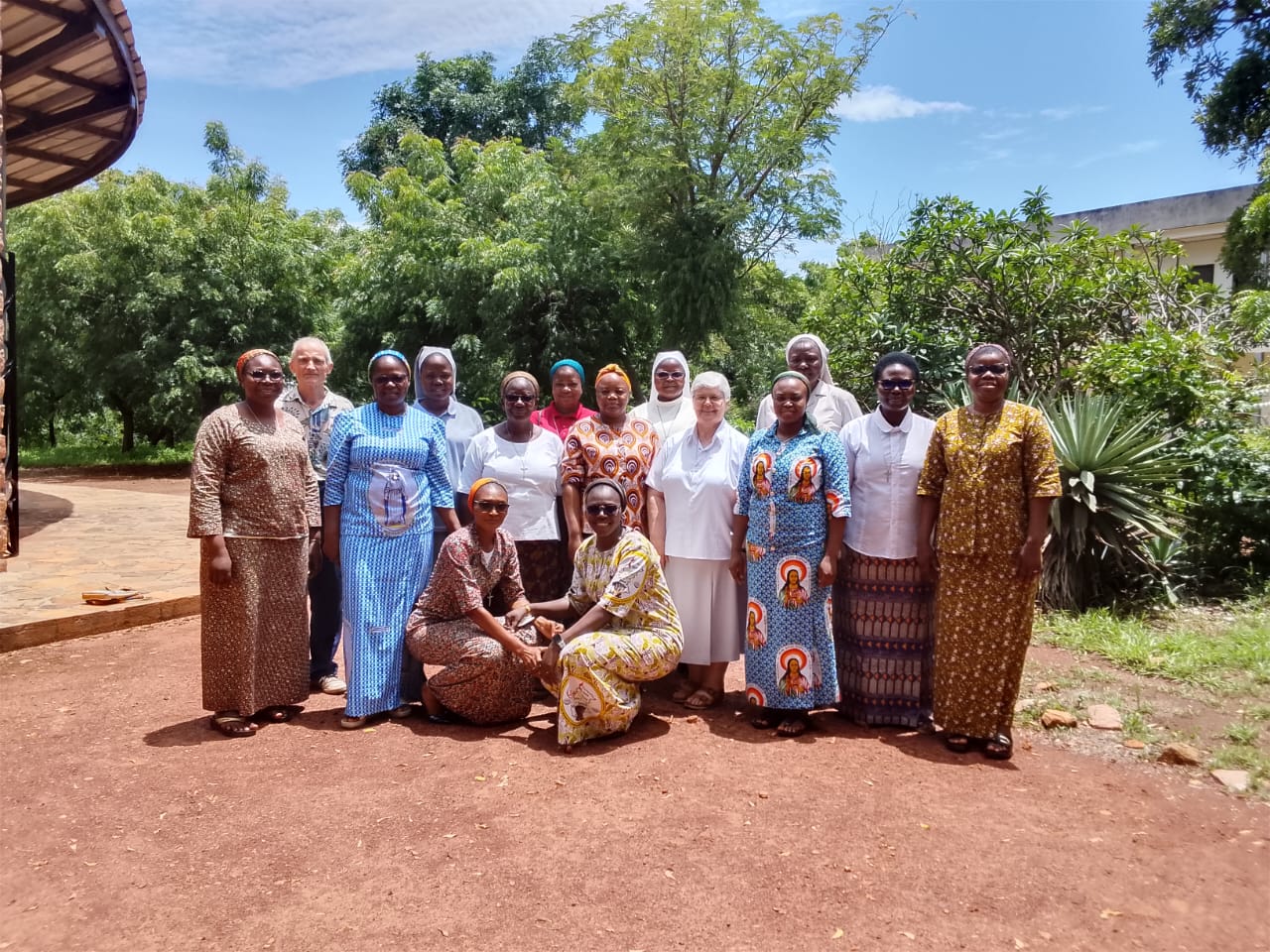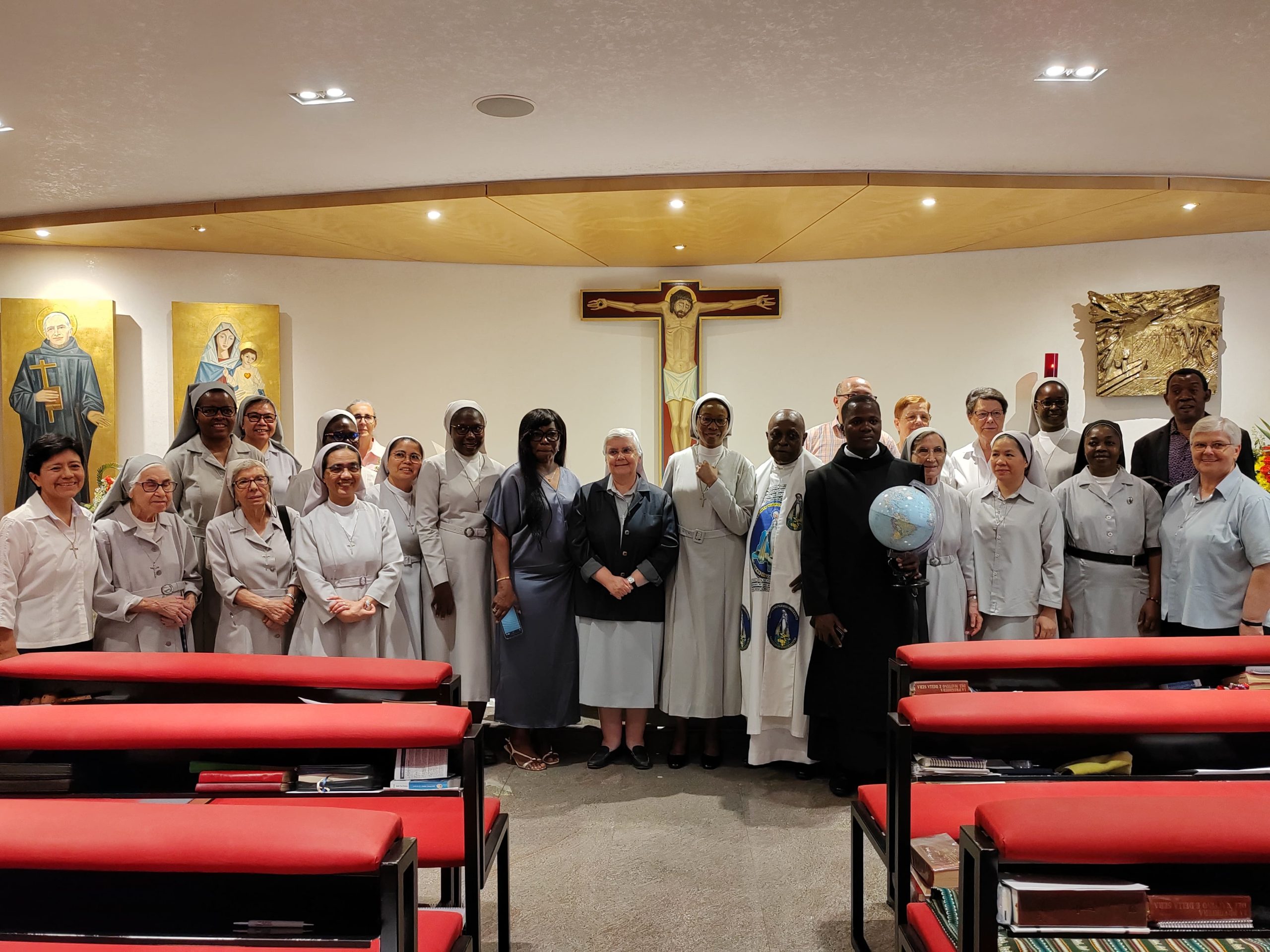
On occasion of the celebration of the feast day of Saint Benedetto Menni, Sister Anabela Carneiro, Superior General, takes a look at the current situation of the Congregation.
As already mentioned in the Document of the XX General Chapter, “the reality of human suffering in present times, particularly in its psychic dimension, continues to pose a challenge for us”. On considering the legacy of Saint Benedetto Menni, how would you describe the current situation with respect to caring for people with mental illnesses on a worldwide scale? What calls does the Congregation receive?
The presence of the Congregation in 27 countries and four continents allows us to obtain an idea about care offered to people with mental illnesses, which is quite different depending on the diverse geographical and social contexts in which we work.
Some countries have no mental health policies in place and these patients continue to be excluded and stigmatised, access to psychiatric medicines is very difficult and there are no doctors or psychiatry specialists to respond to the population’s needs; above all, the living conditions of these patients are inhuman.
In other countries, psychiatric care is included in the national health programmes, through a wide variety of devices, and the patients are accompanied during the whole therapeutic process, during which their reinsertion into society and the labour market is encouraged and comprehensive assistance is provided that responds to the different needs of each person, with “next-generation” medicines and considerable research activity with a view to improving health.
It is true that this simple characterisation with respect to caring for people with mental illnesses in the world refers to different geographical, social and economic contexts; but it is also true that in some countries that we could included in the first group, steps are under way to improve the mental health of the population, whereas in others belonging to the second group, there are cases of patients being excluded from healthcare systems for different reasons.
The Congregation receives many calls, and, in the same style as our Founders, we want to provide an efficient response to them. In some contexts, we must study our work and find ways to give it continuity, guaranteeing those persons who suffer from such illnesses comprehensive assistance in a charismatic style; we also need to establish alliances and agreements with other institutions in favour of the mission, and even more so in the context of the current economic crisis.
In other contexts, we are asked to respond to the need to establish care mechanisms in mental health that are simple and easy for the population, providing patients with the treatment they need, educating the population, training psychiatric staff and creating decent living conditions.
Our responses must be different because the contexts in which we move are different, but they must be characterised by the hospitality that cares for life and recognises the centrality of a person.