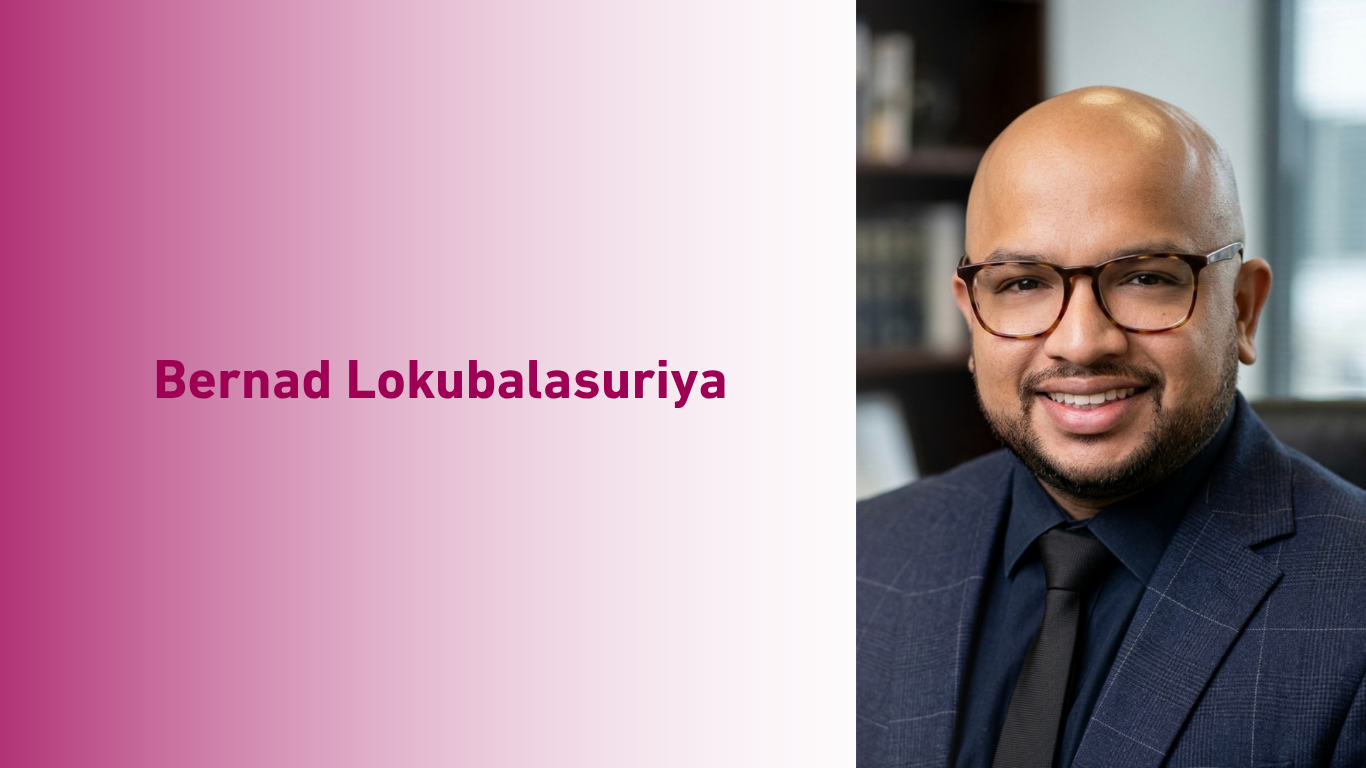
On the occasion of this anniversary, we spoke with the Registered Manager of St. Augustine’s in England about what it means today to live out the hospitable charism in the care of older people.
Throughout this interview, he shares how the legacy of Saint Benedict Menni continues to inspire a way of caring rooted in dignity, welcome, human presence, and commitment to those most in need of support and companionship.
A close and deeply human reflection on hospitality as a living mission in everyday care.
1. In the context of this anniversary, what does it mean to you to work from a Hospitaller perspective today?
When I think about this anniversary, the first thing I feel is gratitude. Gratitude that I get to be even a small part of something so much greater than myself.
St. Benito Menni began not with grand plans but with a simple, courageous response to suffering that others had walked past. He saw women with mental illness who had been forgotten and he chose to stay. That act of not turning away is what I carry into St. Augustine’s every single day.
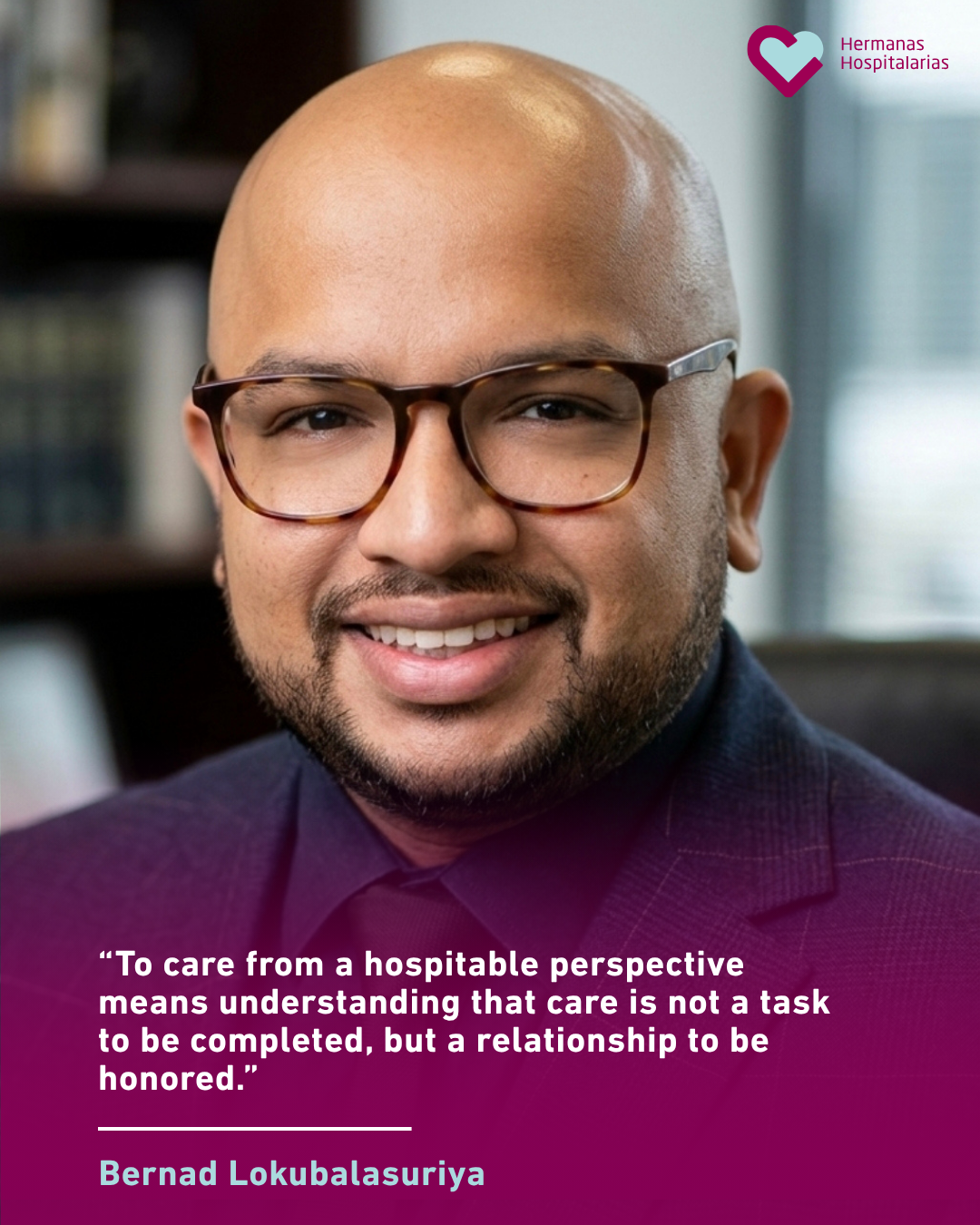
To work from a Hospitaller perspective today means understanding that care is not a task to complete; it is a relationship to honour. It means dignity in the small things, a warm good morning, truly listening, and making someone feel that this is genuinely their home. Menni taught us that great works are built from small, everyday acts of hospitable love. I hold onto that, especially on the ordinary days.
This anniversary is a personal reminder to me that my mission is to follow in his footsteps to keep his flame alive in this corner of England, one resident, one moment, one act of genuine care at a time.
2. How do you feel the founding legacy influences your daily professional practice?
Every morning when I arrive at St. Augustine’s, I am walking into something that began over 140 years ago in Ciempozuelos with a priest, two women, and eight sisters who had very little except love, faith, and an unshakeable commitment to those who were suffering.
That legacy influences me more than any policy or procedure ever could. It reminds me that behind every care plan is a human being with a story, with fears, with a need to feel valued. St. Benito Menni didn’t just build hospitals he built places where people could feel seen and held with dignity.
In my daily practice, this means I try to lead my team not just with professionalism but with heart. It means asking not only “is this person safe?” but “is this person known here? Do they feel they belong?” It means when things are difficult and in care, they often are. I return to his example of quiet perseverance. He faced enormous obstacles and kept going, not for recognition, but because the mission was greater than the difficulty.
His legacy is not something I read about. It is something I try to live. And I feel the weight and privilege of that every day.
3. Which aspects of the Hospitaller charism remain most relevant in care today?
Many things have changed in care since St. Benito Menni’s time: the regulations, the technology, the way we understand health and wellbeing. But the heart of the Hospitaller charism feels more relevant today, not less.
The most important aspect, I believe, is the absolute centrality of the person. Not the diagnosis. Not the risk assessment. The person. In a world where care can sometimes feel driven by targets and compliance, the Hospitaller charisma calls us back to the human face of the individual in front of us.
Equally relevant is the spirit of welcome without condition. Menni and the founding sisters opened their doors to those society had excluded : those considered too difficult, too forgotten, too broken. In our work today with elderly residents, many of whom face loneliness, loss of identity, and fear, that unconditional welcome is still a radical and necessary act.
And then there is the integration of science and charity, the belief that professional excellence and compassionate love are not opposites but partners. That we owe people both the best of our knowledge and the warmth of our humanity. That balance, which Menni lived so beautifully, guides how I try to lead every single day.
4. How do you integrate the human and professional dimensions in your approach to care?
This is something I think about deeply, because I believe the two must never be separated.
In my role as a registered manager, I carry professional responsibilities safeguarding, compliance, clinical governance, staff leadership. These matter enormously and I take them seriously. But I have always believed that professionalism without humanity is just administration, and humanity without professionalism is not enough to truly protect people.
St. Benito Menni modelled this beautifully. He was not only a man of deep compassion, but he was also extraordinarily organised and visionary. He built 22 centres across Europe. He understood that to serve people well, you need both the open heart and the skilled hand working together.
In practice, this means I try to create a culture in our home where staff feel both accountable and deeply human in their work where following a procedure and sitting with a resident who is distressed are equally valued. It means I try to know my residents as people, not as room numbers. It means remembering that the most important professional skill in care is often the ability to be fully present with another human being.
Following St. Benito Menni’s footprints means keeping that wholeness alive never letting the professional crowd out the personal, and never letting compassion become an excuse for anything less than excellent care.
5. What does the Hospitaller perspective bring to current challenges in the care of older people?
The care of older people today faces real and serious challenges loneliness, loss of identity, the risk of being reduced to a list of needs rather than seen as a whole person with a lifetime of experience and worth.
The Hospitaller perspective speaks directly into every one of those challenges.
When Benito Menni founded the Sisters Hospitallers, he was responding to people who had been made invisible by society. That is still happening today. Older people can become invisible in hospitals, in communities, sometimes even within care homes if we are not careful. The Hospitaller charism refuses that invisibility. It insists that every person, at every stage of life, deserves to be welcomed, known, and cared for with full dignity.
What the Hospitaller perspective brings is a vision of care rooted not in what a person can no longer do, but in who they still are. It brings a culture of warmth, of presence, of unhurried attention. It brings the courage to advocate for those who cannot always speak for themselves.
In the face of workforce pressures, financial constraints, and the complexity of modern care needs, this mission is not easy to sustain. But that is exactly why it matters. St. Benito Menni did not choose the easy path. He chose the necessary one.
And that is the path I am committed to following keeping his mission alive, here in Addlestone, in England, for every resident who walks through our door.