Warning: Trying to access array offset on false in /home/lamachic/hospitalarias.org/wp-content/plugins/pro-elements/modules/dynamic-tags/tags/post-featured-image.php on line 39

Warning: Trying to access array offset on false in /home/lamachic/hospitalarias.org/wp-content/plugins/pro-elements/modules/dynamic-tags/tags/post-featured-image.php on line 39

Warning: Trying to access array offset on false in /home/lamachic/hospitalarias.org/wp-content/plugins/pro-elements/modules/dynamic-tags/tags/post-featured-image.php on line 39

Warning: Trying to access array offset on false in /home/lamachic/hospitalarias.org/wp-content/plugins/pro-elements/modules/dynamic-tags/tags/post-featured-image.php on line 39
Sisters Hospitallers:research - Hermanas Hospitalarias

Sisters Hospitallers:research


Warning: Trying to access array offset on false in /home/lamachic/hospitalarias.org/wp-content/plugins/pro-elements/modules/dynamic-tags/tags/post-featured-image.php on line 39

Researchers from Sisters Hospitallers find the area of the brain responsible for the motor skills disorder in schizophrenia.

A research group of the Research and Teaching Foundation María Angustias Giménez (FIDMAG), of the Sisters Hospitallers, has carried out a research showing that the DT is associated with a structural change in the brains of those suffering it. This paper has been published in the British Journal of Psychiatry, and it is of special relevance as it is the first study on tardive dyskinesia carried out with neuroimaging advanced techniques.

According to Dr. Salvador Sarró, psychiatrist and researcher for FIDMAG Sisters Hospitallers and one of the authors of the paper, this finding “invalidates the hypothesis that the tardive dyskinesia is a mere reflection of the neurochemical effects of the antipsychotics, as they are the consequence of a change in the brain morphology”. In fact, those responsible for the study consider that the results of the research should be taken into account when developing new antipsychotic medicines.

81 patients with schizophrenia from the different Sisters Hospitallers care units took part in the research. The team led by Dr. Edith Pomarol-Clotet examined and compared, using a structural resonance test, the brains of 32 patients with tardive dyskinesia and with 49 without this disorder. A healthy control group of 61 persons was also used. In this respect, the study shows that the patients with this syndrome have grey matter volume reduction, mainly at a subcortical level, largely located in the caudate nucleus. It was also noted that the volume of the basal ganglia in the TD patients group is smaller, fact that indicates a loss of tissue associated to this phenomenon. After the results obtained, the FIDMAG research group are intending to continue with this line of research on tardive dyskinesia.

More News

Venezuela: A Mission to Accompany and Restore Hope

Following the earthquake that struck Venezuela on June 24, the Congregation, through the Province of Latin America, launched a Hospitality Solidarity Mission in Venezuela, with the aim of accompanying affected individuals and families, particularly through mental health care and support.

Hospitality experience in Málaga

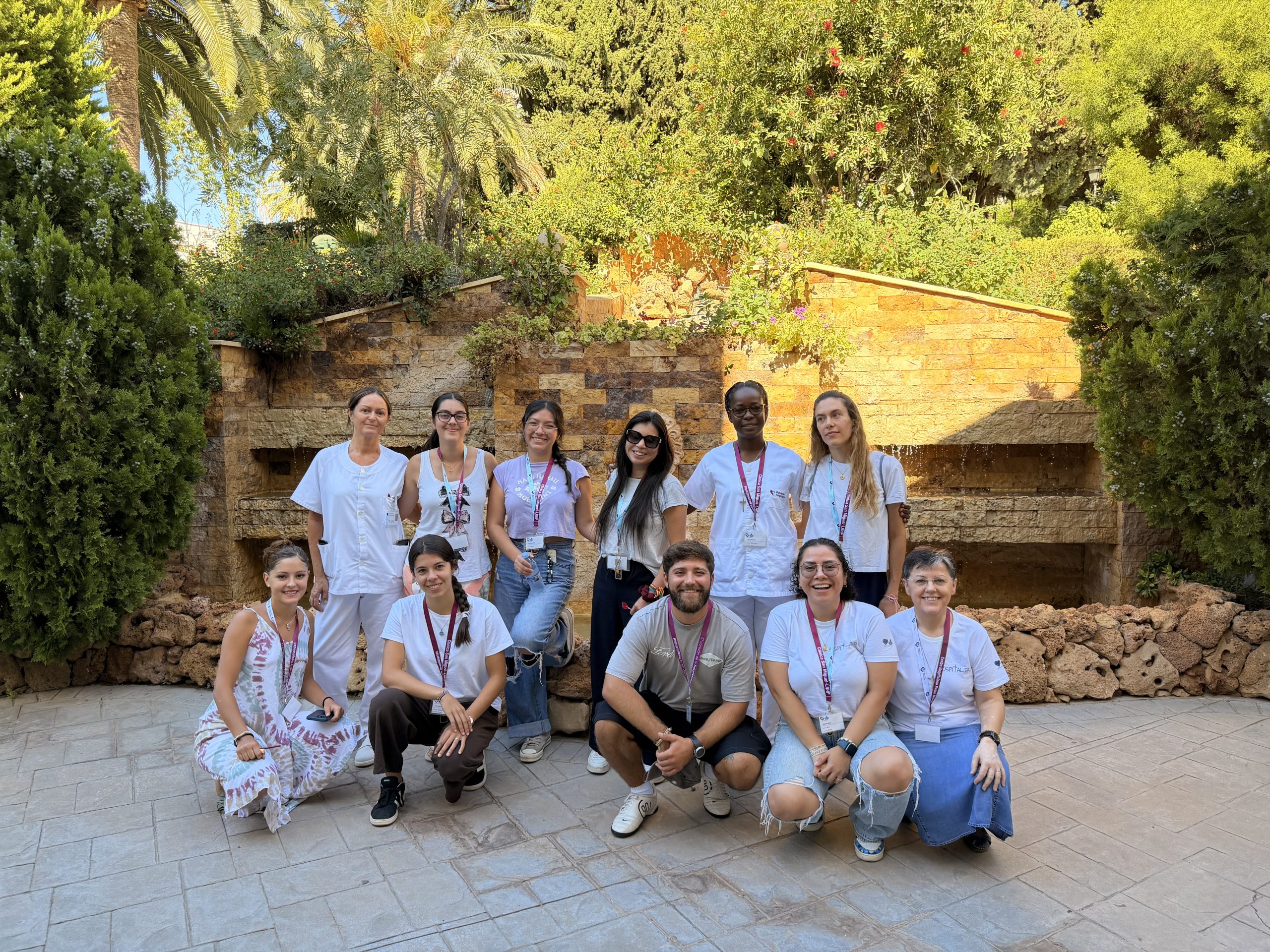
From 23 to 30 August, young people from different parts of Spain are taking part in a hospitality experience in Málaga, a time of encounter, service and reflection to come closer to the reality of people experiencing vulnerability and discover the transformative value of Hospitality.

Visit of the General Government to the Communities in Vietnam

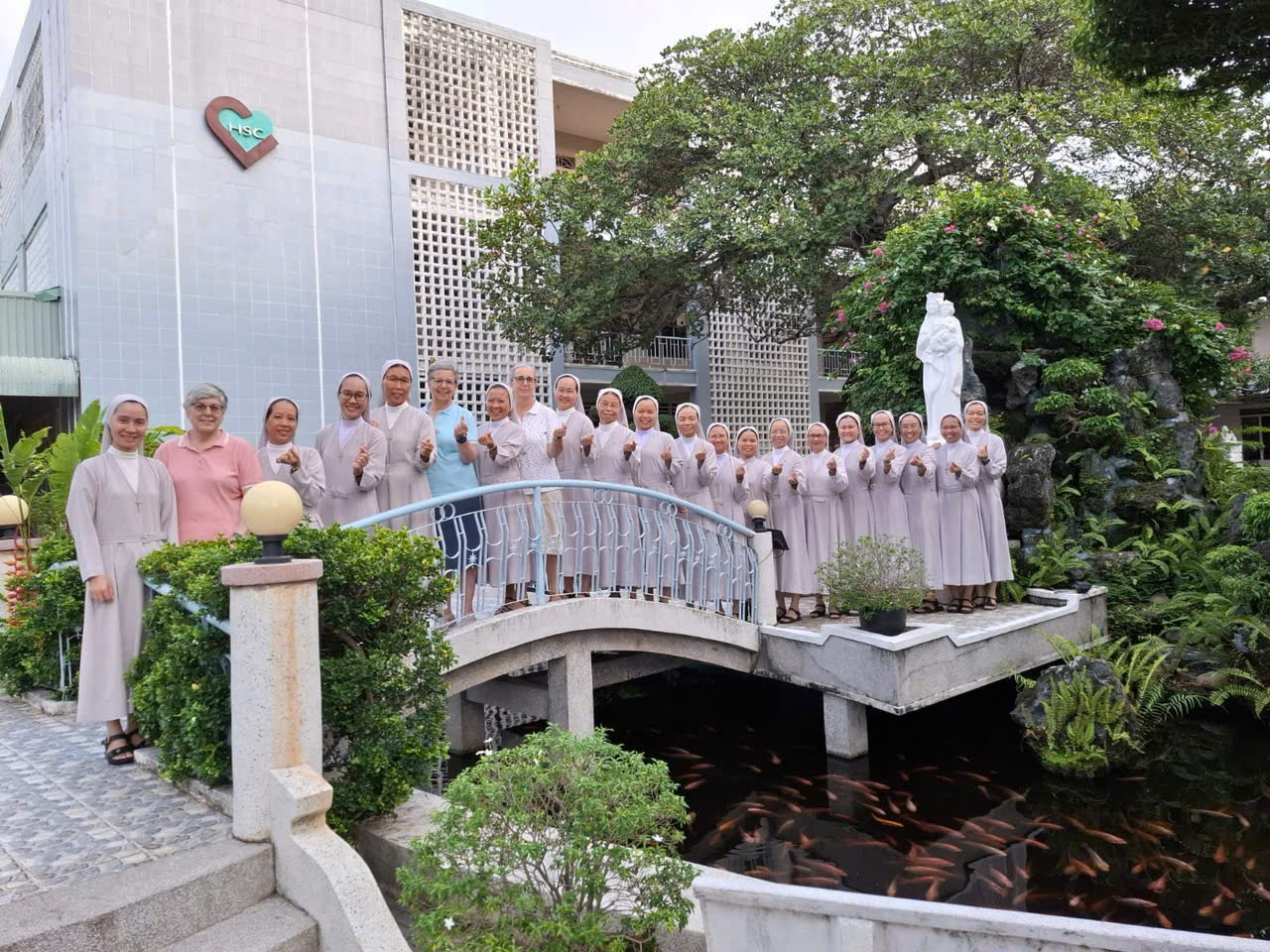
The Vice-Province of Vietnam welcomed the visit of the General Government from 15 to 20 August, a time of encounter, fraternity and communion to learn more about the reality of the communities and strengthen the hospitality mission together.