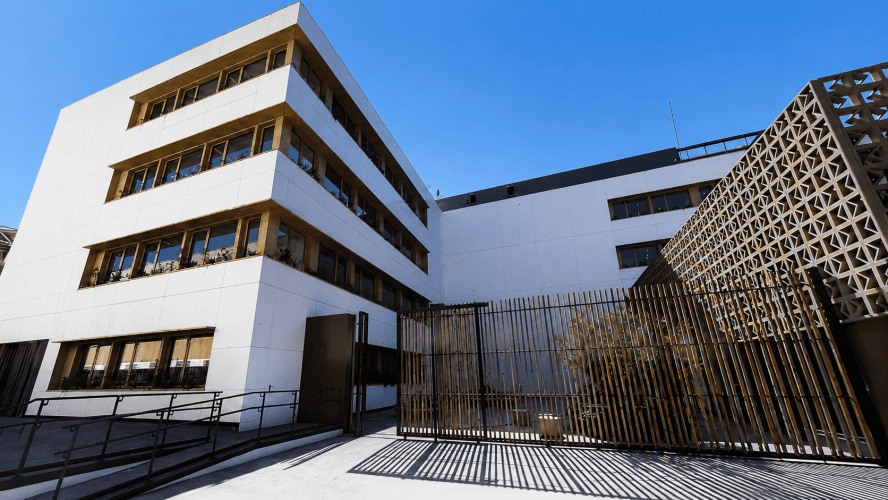
Eating Disorders (ED) represent a growing challenge in the field of mental health, significantly impacting the quality of life of those who suffer from them. In response to the increasing demand for specialized treatment, the Fundació Hospitalàries Martorell has inaugurated a new high-complexity unit for the care of patients with ED. This unit, designed to address the chronic nature of the disorder, offers an innovative and multidisciplinary approach centered on the patient.
What was the main motivation for creating this new high-complexity ED unit at Fundació Hospitalàries Martorell?
In recent years, and as a result of the COVID-19 pandemic, the Department of Health of the Generalitat de Catalunya observed an increase in the demand for Eating Disorder (ED) treatment, making it one of the most prevalent disorders in Mental Health Centers (CSM) for both children and adults.
In this context, the Department of Health prioritized the development of an emergency plan to improve ED care, following the recommendations of the Commission of Experts of the Advisory Council on Mental Health and Addictions. The goal of this improvement plan is to implement an ED care model based on a stepped-care approach, which organizes therapeutic procedures and healthcare facilities according to clinical and psychosocial severity. The Martorell ED Unit is classified at the third level of this model, alongside Acute Hospitalization Units for ED.
Collaboration between the ED Care Unit (UTCA) of the Hospital Universitari de Bellvitge and the Mental Health Centers of the Fundació Hospitalàries Martorell led to the signing of a strategic cooperation agreement between the two institutions in 2019. This precedent of joint work, along with the request from the Department of Health through the Mental Health and Addictions Directorate Plan, support from CatSalut, and the availability of a new healthcare building at the hospital, made this collaborative care project possible.
What are the main differences between this unit and other existing units for adult ED treatment?
At both national and international levels, there are very few subacute ED units. The difference between this unit and the hospitalization programs at UTCA is that patients in those units are admitted alongside other mental health patients. In those units, the primary objective is weight recovery and somatic stabilization.
In the Comprehensive Recovery Unit, group activity is an essential tool, allowing patients with the same condition to engage together. Another key differentiating aspect is that the nursing team assists patients during meals, providing close support throughout the process.
How has the collaboration with the Hospital Universitari de Bellvitge contributed to the treatment approach?
On one hand, Fundació Hospitalàries has contributed its extensive experience in hospitalization and mental health, while the Hospital Universitari de Bellvitge has provided its deep expertise in ED. This collaboration has been fostered through joint professional efforts and structured meetings at the strategic committee level of both hospitals.
What type of patients are treated in this unit, and what are the admission criteria?
The unit admits adults diagnosed with long-term ED, including Anorexia Nervosa or OSFED (Other Specified Feeding or Eating Disorder). These patients have previously undergone treatments in specialized ED units for adults, often with complex progress and stagnation in their disorder.
The admission criteria include:
- Previous treatment in a UTCA unit (Day Hospital, Inpatient Hospitalization, Outpatient Treatment, etc.).
- Stagnation or slow progression in recovery.
- Several years of evolution of the disorder.
Given that this unit specializes in chronic ED cases, how is treatment approached for patients who have lived with the disorder for over 10 years?
From the outset, the patient’s voluntary participation and shared responsibility in treatment are essential. Generally, patients with such long-standing disorders have lost hope for recovery, suffer from a poor quality of life, and tend to experience social isolation.
Previous treatments have mainly focused on weight restoration and body image acceptance. This unit, however, takes a non-coercive approach, where food and weight are not the primary treatment goals. Instead, during a 3-4 month stay, the program focuses on motivational, individual, and family aspects beyond eating habits.
What are the main challenges in the recovery of these patients, and how does the multidisciplinary team address them?
The patient’s voluntary participation and shared responsibility in treatment are key. This commitment is established during the first weeks through a therapeutic agreement that clarifies objectives, which are then shared with the referring UTCA professional.
Patients play an active role in decision-making and in designing their therapeutic program. The semi-open environment and the holistic approach, which does not exclusively focus on restoring weight and diet, help patients accept support and work on overcoming unresolved fears while regaining lost functionality.
What types of therapies and innovative approaches are applied in this unit to improve treatment outcomes?
The treatment program is divided into three phases:
- Phase I: Focuses on motivational aspects and adaptation to the unit, setting objectives, and identifying difficulties.
- Phase II: Works on patient empowerment techniques, explores unresolved personal issues, and includes intensive family therapy. In this phase, a Family Meal (a joint meal with family, the patient, and a therapist) is introduced to assess dysfunctional dynamics and observe changes.
- Phase III: Focuses on achieving established objectives, individual and social functionality, reintegration into the community, and returning to the patient’s primary UTCA unit.
Some of the innovative therapies include:
- Daily Mindfulness workshops before breakfast.
- Cooking workshops to help patients regain initiative and overcome fears.
- Volunteering support in other hospital units to develop social skills and restore a sense of purpose.
- Daily physiotherapy activities to improve muscle tone, relaxation, and balance.
- Various leisure, psychoeducational, and artistic workshops led by nurses and occupational therapists.
A key aspect of shared responsibility is the “responsible eating” phase. At this stage, patients can choose their portion sizes, decide whether to leave some food, or swap dishes. This innovative approach helps patients better recognize hunger and fullness signals, encouraging a diet that resembles what they will follow at home—allowing them to take control rather than having professionals dictate their choices.
What long-term impact do you expect this unit to have on ED recovery and mortality reduction?
The first year of the unit’s operation and the initial patient discharges indicate a positive impact on individuals who had lost hope in recovery. In addition to improving self-esteem and disease awareness, patients gain more strategies to manage personal and family challenges, as well as social and professional situations.
Some of the early results from psychometric scales show significant improvements in quality of life and a reduction in clinical symptoms. These initial findings suggest that this unit may contribute to lowering mortality rates for ED—the psychiatric disorder with the highest mortality rate, which is five times higher than that of the general population.
The treatment in this unit goes beyond weight and diet, focusing on psychosocial factors. How does the hospital’s vision contribute to this holistic patient approach?
The model is patient-centered, focusing on building a strong therapeutic relationship and providing individualized treatment. During the pre-discharge phase, social workers play a key role in reconnecting patients with personal projects they had abandoned due to their disorder or with new initiatives they started during their hospital stay.
This process helps patients gradually reintegrate into their daily lives while receiving ongoing support to navigate potential challenges in their social and professional environments.