At Hermanas Hospitalarias, we often speak about our “Hospitalarian DNA.” But what does this truly mean in daily practice? Emilio, our Director of Nursing, describes our mission succinctly yet accurately: “We know it’s not just about doing our job well, but about being present—with open eyes and an attentive heart.”
This defines our mission. Health care goes far beyond technical precision; it is about human connection. As a team, we do not simply care—we accompany.
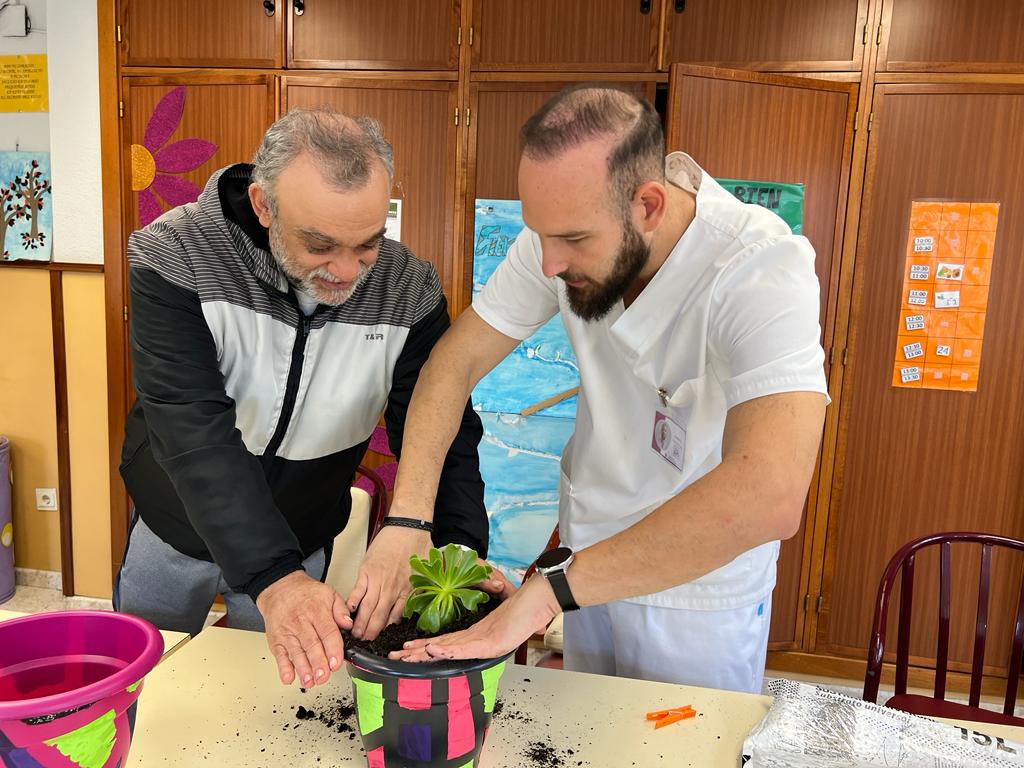
Being “companions on the journey” means becoming involved in the lives of our patients. We celebrate their achievements, share their struggles, and feel part of their process. This closeness rests on an unshakeable principle: understanding life through dignity and absolute respect for each person’s decisions.
This is the mercy we seek to bring into every interaction—the force that transforms a technical procedure into a human act.
As Emilio reminds us, sometimes a simple gesture, an attentive look, or a shared silence can restore a person’s confidence and even ease their suffering with respect.
This is who we are. It’s not only about what we do, but about how we are present. That is our Hospitalarian DNA.